

Don’t Let One Incident Shape the Whole Conversation

Posted in Announcements Leading-Change-Blog News
In youth-serving systems, collaboration often breaks down for reasons that are more structural than personal. A strong proposal with clear evidence of need can be rejected or stalled due to one highly visible incident or bad headline. For professionals working across youth justice, child welfare, education, behavioral health, and community-based organizations, this pattern is as familiar as it is consequential.
Moving Beyond the “Single Incident” Trap
The challenge is not that stakeholders do not care. More often, it is that they are working within different mandates and accountability structures. They also face different public pressures and have vastly different risk tolerances. For a proposal to expand diversion criteria and eligibility, a prosecutor may be concerned about community safety and liability. A school administrator may be focused on class disruptions and staffing shortages. A community-based partner may be worried about preserving trust with families and securing next year’s operational funds. A court or probation partner may be balancing caseloads and legal constraints. In this environment, a single outlier incident can easily become the “story” that drives decision-making, even when data shows that it isn’t the trend.
Using Data as an Anchor (Not an Afterthought)
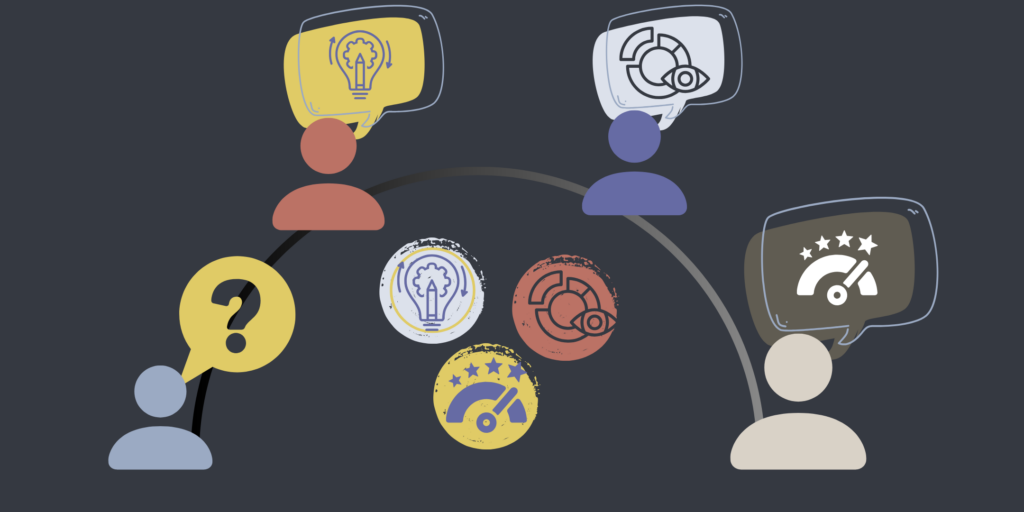
This is where real-time data infrastructure matters. Many policymakers treat data as an afterthought, collected at the end of a project to meet compliance requirements. But if the goal is sustainable system change, leaders and practitioners need to use data in real time to stay grounded. When stakeholders consistently have shared, timely information, they are more likely to distinguish between a one-off crisis and a broader systemic issue. They are also better able to ask the harder but more useful questions: What is actually happening? What is the scale of the issue? Who is affected? What does the evidence suggest, given our local context? Without robust data infrastructures, the headline becomes the only agenda driver, even if it is the exception and not the rule.
Also remember that data doesn’t always speak for itself. An Excel file full of numbers, a line graph, or even the most carefully composed bar chart can still lead to confusion without the proper context. There is an art to making data understandable, and that means explaining what the numbers show in plain language. Clear and transparent communication matters before there is a crisis, as it helps partners make sense of the information together before urgency narrows the conversation.
Creating Conditions for Sustainable Collaboration
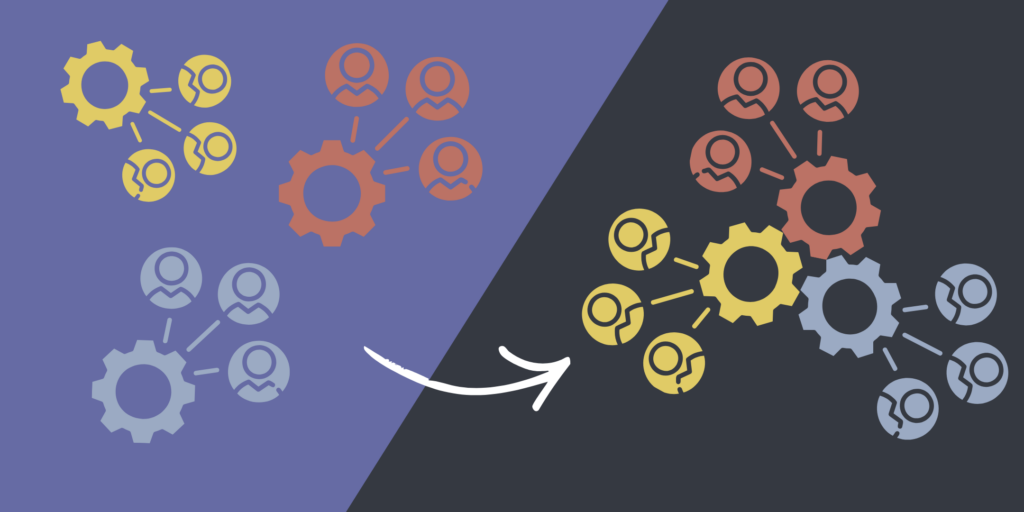
That is also why stakeholder engagement cannot be reduced to a one-time request for buy-in. In youth-serving systems, we are often trying to move work forward without formal authority, while managing up to leadership, down to implementation teams, and across to external partners. The work depends on establishing ongoing communication loops, clarifying roles, understanding what different partners are trying to prioritize, and creating enough trust for collaborators to raise concerns honestly and productively. Engaging stakeholders is less about persuasion than it is about building the conditions for sustainable collaboration.
And because policy change rarely moves in a straight line, these conditions have to be built to withstand disruptions. Staff turnover happens. Leadership changes. Budgets get cut. Crises interrupt momentum. If we design collaboration infrastructures only for ideal conditions, we are likely to be surprised when the real world inevitably introduces frictions. Strong leaders anticipate these setbacks. They build in ways to revisit assumptions, communicate clearly, and adjust without losing sight of the goal.
Ultimately, the goal is not simply to make agencies sound more coordinated. It is to create a system that is trustworthy and supportive of youth and families’ long-term well-being. Achieving this goal requires more than good intentions and formal collaboration structures; it requires creating space for collaborators to name what they need, what they are worried about, and what it would take for them to authentically engage.
The question is not whether you will face disruptions (you will). It is whether you are prepared for the inevitable pushback and have the tools to interpret, respond, and move forward in ways that are grounded in evidence and responsive to real-world complexity.
Building Skills to Navigate Cross-System Collaboration
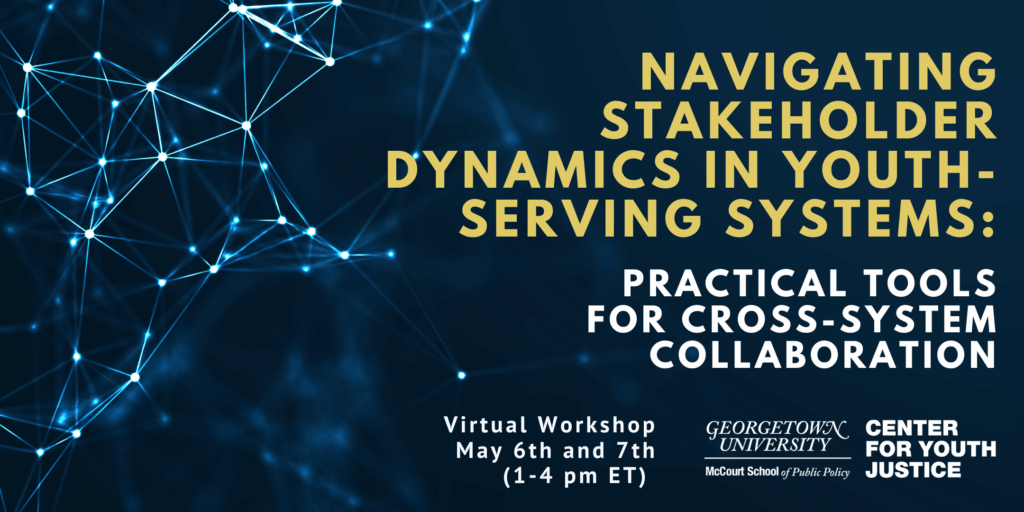
To learn more about this topic, consider signing up for our virtual workshop, Navigating Stakeholder Dynamics in Youth-Serving Systems: Practical Tools for Cross-System Collaboration, on May 6th and 7th from 1-4pm ET.
You can learn more and register on the Navigating Stakeholder Dynamics Registration Page.