

Panel Spotlight: Reimagining the Next Chapter of Youth Justice

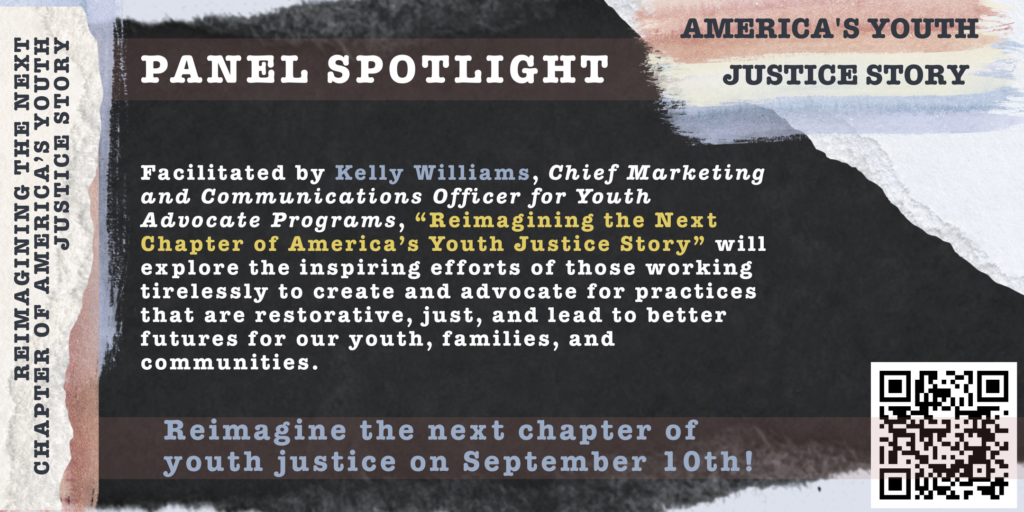
Facilitated by Kelly D. Williams, Chief Marketing and Communications Officer for Youth Advocate Programs, the “Reimagining the Next Chapter of America’s Youth Justice Story” panel will explore the inspiring efforts of those working tirelessly to create and advocate for practices that are restorative, just, and lead to better futures for our youth, families, and communities.
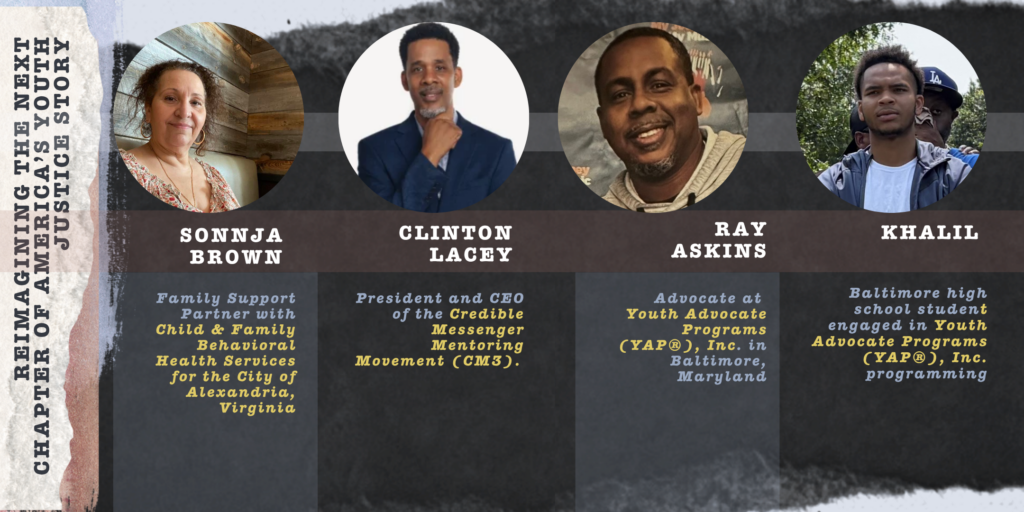
The panel will include:
- Clinton Lacey, President and CEO of the Credible Messenger Mentoring Movement (CM3).
- Sonnja Brown, Family Support Partner with Child & Family Behavioral Health Services for the City of Alexandria, Virginia
- Ray Askins, Advocate Youth Advocate Programs (YAP®), Inc. in Baltimore, Maryland
- Khalil, Baltimore high school student engaged in Youth Advocate Programs (YAP®), Inc. programming
About the Panelists
Sonnja Brown
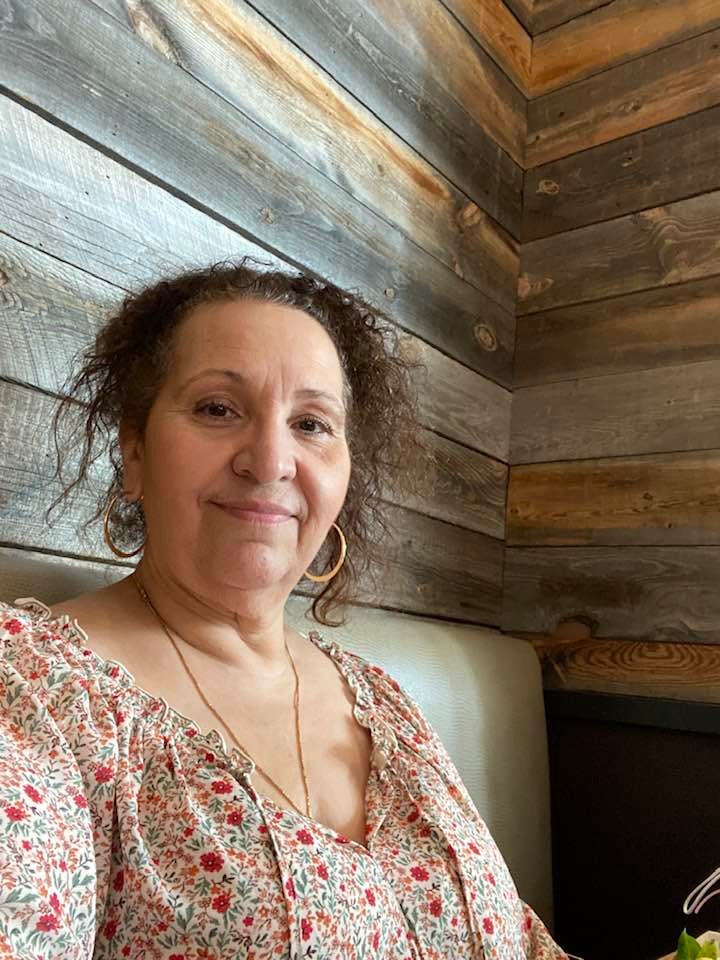
Sonnja Brown (she/her) is a Family Support Partner with Child & Family Behavioral Health Services for the City of Alexandria, Virginia, where she uses her lived experience to support families navigating behavioral health and juvenile justice systems. A dedicated Juvenile Justice Advocate, Sonnja believes youth should be defined by their potential rather than their past mistakes. She works to empower caregivers to become active partners in shaping systems that embrace healing, accountability, and opportunity instead of punishment.
Inspired by helping her own grandson overcome significant barriers and successfully rebuild his life in the community, Sonnja models resilience, hope, and effective advocacy for families facing similar challenges. She has served on Alexandria’s Family Assessment and Planning Team (FAPT), as a Commissioner for the Northern Virginia Juvenile Detention Center, and as a leader in the Crossover Youth Practice Model. Sonnja is committed to creating lasting systems change that helps justice-involved youth and young adults thrive.
Clinton Lacey
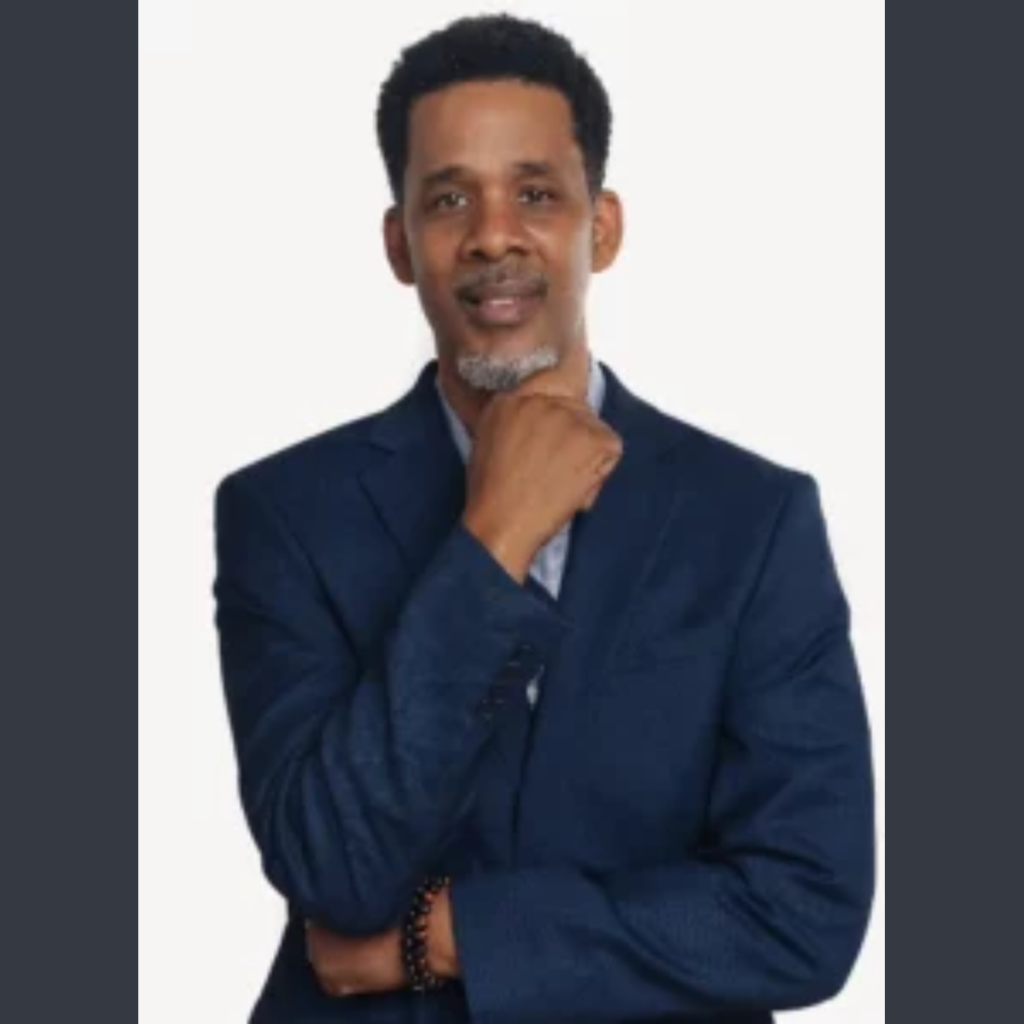
Clinton Lacey is the president and CEO of the Credible Messenger Mentoring Movement (CM3), a newly launched organization focusing on supporting Credible Messenger Mentors – community rooted natural leaders who have successfully navigated their own prior involvement in the justice system, who share similar life experiences with current justice-involved young people, and are poised to have transformative impact on an individual, family, community and systemic level – and maximizing their impact around the nation.
Prior to the recent launch of CM3, Lacey served as Director of the District of Columbia Department of Youth Rehabilitation Services (DYRS), Washington DC’s cabinet-level juvenile justice agency, where he was appointed by Washington, DC Mayor Muriel Bowser in 2015.
Before joining DYRS, Clinton was appointed to the New York City Department of Probation as the Deputy Commissioner for adult operations in 2011. In this capacity, he was responsible for the oversight of a division that supervised approximately 24,000 clients on probation and led a series of innovative initiatives, including the Neighborhood Opportunity Networks (NeONs) and Arches Transformative Mentoring (the first iteration of Credible Messenger Mentoring).
Other positions held by Lacey over his 30-year career include project manager with the W. Haywood Burns Institute, addressing racial, ethnic, and gender disparities in several jurisdictions around the nation (2005-2010); director of the Youth Justice Program at Vera Institute of Justice, where he led an initiative to build collaborative relationships between community-based youth advocates and system based juvenile justice officials from various jurisdictions around the nation (2004-2005); and associate executive director of Friends of Island Academy, where developed services for 16 to 24-year-olds at Riker’s Island in New York City (1992 – 2004).
Clinton is an experienced trainer, facilitator, writer, and keynote speaker on such issues as racial disparity, comprehensive re-entry services, gang/power group intervention strategies, and overall youth development. In addition, he has studied justice systems and provided trainings around the nation, as well as in Puerto Rico, Brazil, Barbados, Norway, and Finland.
He has a B.A. in Latin American and Caribbean History from Herbert H. Lehman College (City University of New York) and is a graduate of the Institute for Not-for-Profit Management at Columbia University. Clinton is married, and the father of two sons and a daughter and has one granddaughter.
Ray Askins
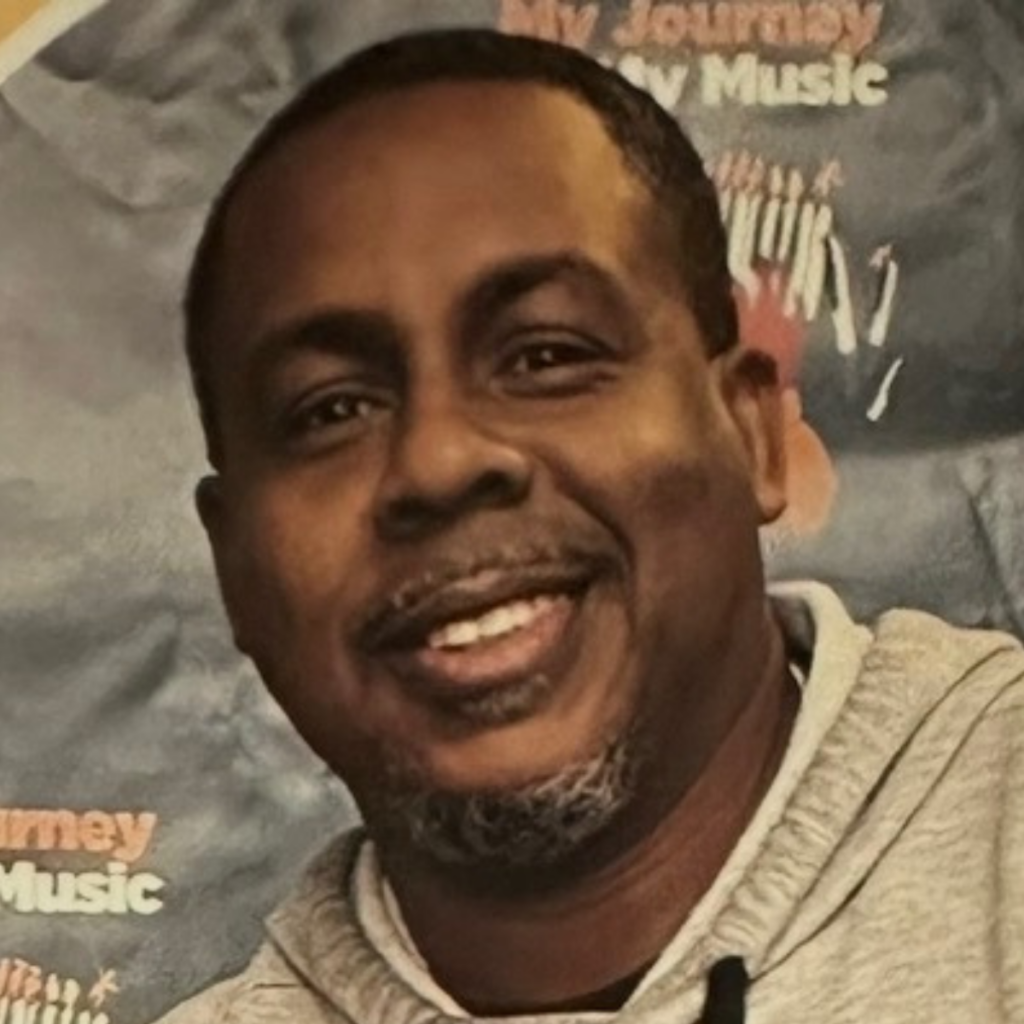
Ray Askins is an Advocate at Youth Advocate Programs (YAP®), Inc. in Baltimore, Maryland. He joined YAP® in 2019 after a 21-year career in finance. When the market took a turn, Askins was drawn to working with young people and giving back to his community. A national nonprofit in 31 states and Washington, D.C. YAP® partners with youth justice and other local systems to provide community-based rehabilitative and other individual and family wraparound services as an alternative to youth incarceration and other residential placements. Guiding principles of YAP®’s evidence-based “no reject, no eject” accountability-focused wraparound services are also applied to the nonprofit’s work in Baltimore and other communities to reduce violence.
Askins describes his work at YAP® as rewarding, sparking in him a deeper passion for making his community better. Askins’ work with young people and families began when he was in his 20s and included working as a high school summer camp counselor, a youth football and basketball coach, and as a Police Athletic League (P.A.L.) mentor. A single father to three college educated children and a grandfather to two, Askins attended Catonsville Community College and is a lifelong Baltimorean.
Khalil
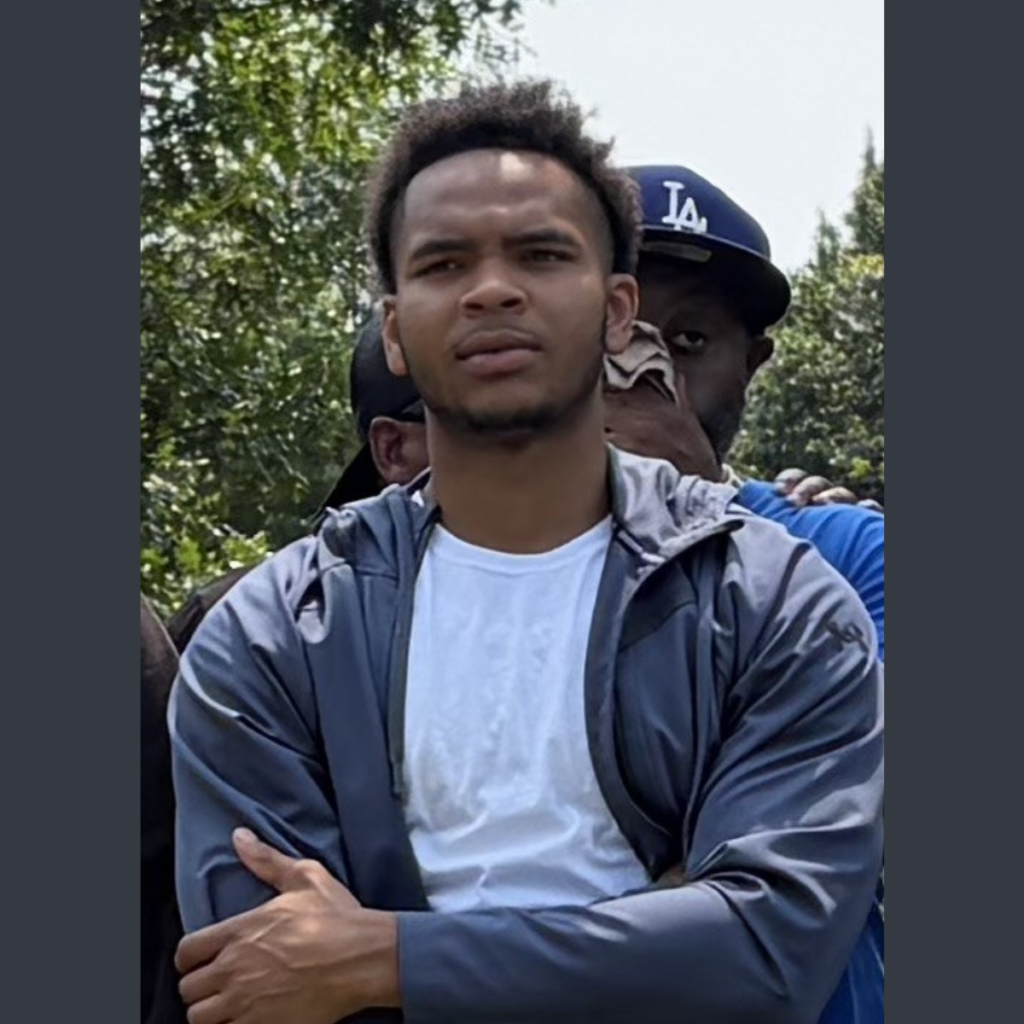
Khalil is a 19-year-old Baltimore high school student who is looking forward to a bright future.
Supported by his mother and Youth Advocate Programs (YAP®), Inc., Khalil has a newfound respect for authority figures and a full appreciation for having access to his family. YAP® is a national nonprofit that partners with public systems in Maryland, Washington, D.C., and 30 other states to deliver community-based services as an alternative to youth incarceration and other residential placements. Baltimore and other cities use principles of YAP®’s strength-based, family-centered, accountability-focused approach to also help reduce violence among individuals at the greatest risk of engagement. Not long ago, facing serious gun-related charges, Khalil’s future was uncertain. His YAP® Advocate Ray Askins connected him with educational assistance, career-readiness services, and positive community-based activities to help him build on his strengths and achieve his personal goals. At the same time, Askins works with Khalil’s mother, connecting her with services that help firm the family’s foundation.