

Panel Spotlight: The Forgotten Children of Youth Justice’s Past
“The Forgotten Children of Youth Justice’s Past” will explore how the racist past of the youth legal system led to kids in state custody being buried in unmarked sites, reflect on how that past still impacts the system today, and survey the work currently underway to tell the stories of these forgotten children with dignity and care.
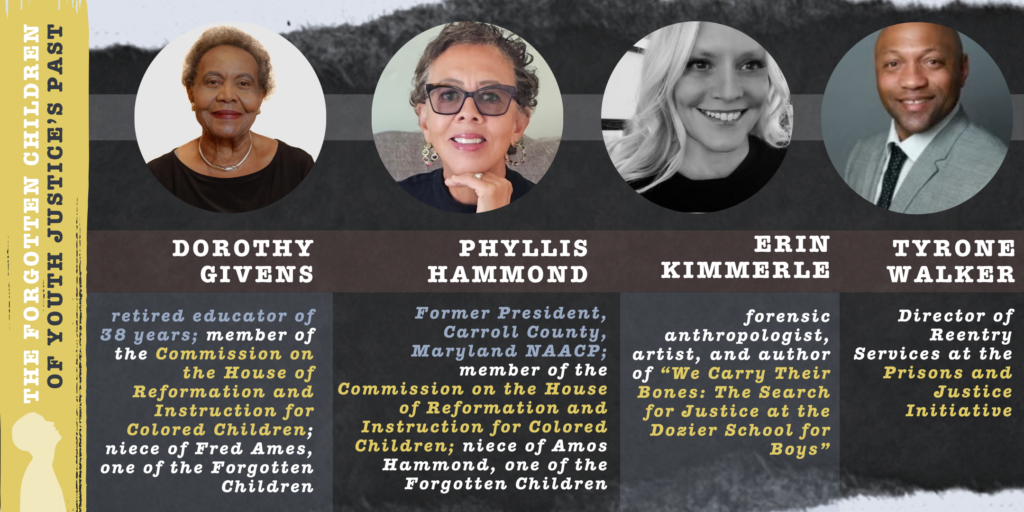
Marc Schindler, Research Professor of the Practice and Senior Fellow at the Center for Youth Justice and lead of the Forgotten Children Initiative, will facilitate a panel that includes:
- Erin Kimmerle, forensic anthropologist, artist, author, and Executive Director of the Institute of Forensic Anthropology & Applied Science at the University of South Florida; author of We Carry Their Bones: The Search for Justice at the Dozier School for Boys and soon-to-be-released, Skeletal Trauma: Identification of Injuries Resulting from Human Rights Abuse and Armed Conflict
- Dorothy Givens, poet and Maryland educator of 38 years; member of the Commission on the House of Reformation and Instruction for Colored Children; niece of Fred Ames, one of the Forgotten Children
- Phyllis Hammond, Former President, Carroll County, Maryland NAACP; member of the Commission on the House of Reformation and Instruction for Colored Children; niece of Amos Hammond, one of the Forgotten Children. Learn more about her role on the Commission in this Washington Post story!
- Tyrone Walker, Director of Reentry Services at the Prisons and Justice Initiative at Georgetown University
About the Panelists
Erin Kimmerle

Erin Kimmerle is a forensic anthropologist, artist, and author of We Carry Their Bones: The Search for Justice at the Dozier School for Boys and soon-to-be-released, Skeletal Trauma: Identification of Injuries Resulting from Human Rights Abuse and Armed Conflict.
Kimmerle is the Executive Director and founder of the Florida Institute for Forensic Anthropology and Applied Science and Associate Professor in the Department of Anthropology at the University of South Florida. There she runs the Forensic Anthropology Laboratory, USF Human Donation Program, and the Outdoor Facility for Research in Forensic Anthropology (FORT), comprised of a 3.4-acre facility for multidisciplinary research in forensic anthropology, legal medicine, and related sciences.
Kimmerle is honored to have received Hillsborough County Bar Association: Liberty Bell Award, given to an “outstanding non-lawyer citizen whose community service strengthens the effectiveness of the American system under the law.” and more recently, the AAAS Scientific Freedom and Responsibility Award in 2020 for ‘scientists whose exemplary actions have demonstrated scientific freedom and/or responsibility in challenging circumstances.’
Kimmerle first job was at the National Museum of Natural History, Smithsonian Institution in Washington, D.C. Later, she worked at the International Criminal Tribunal for the Former Yugoslavia (ICTY) in Kosovo, and later in Bosnia, Croatia, Peru and Nigeria. She has also been involved in projects with National Geographic Explorers, in the search for Amelia Earhart and with the International Committee for the Red Cross, helping create facial reconstructions and test new facial recognition programs for identifying the victims of immigrants shipwrecked off the coast of Italy on their way from Africa.
Dorothy Givens
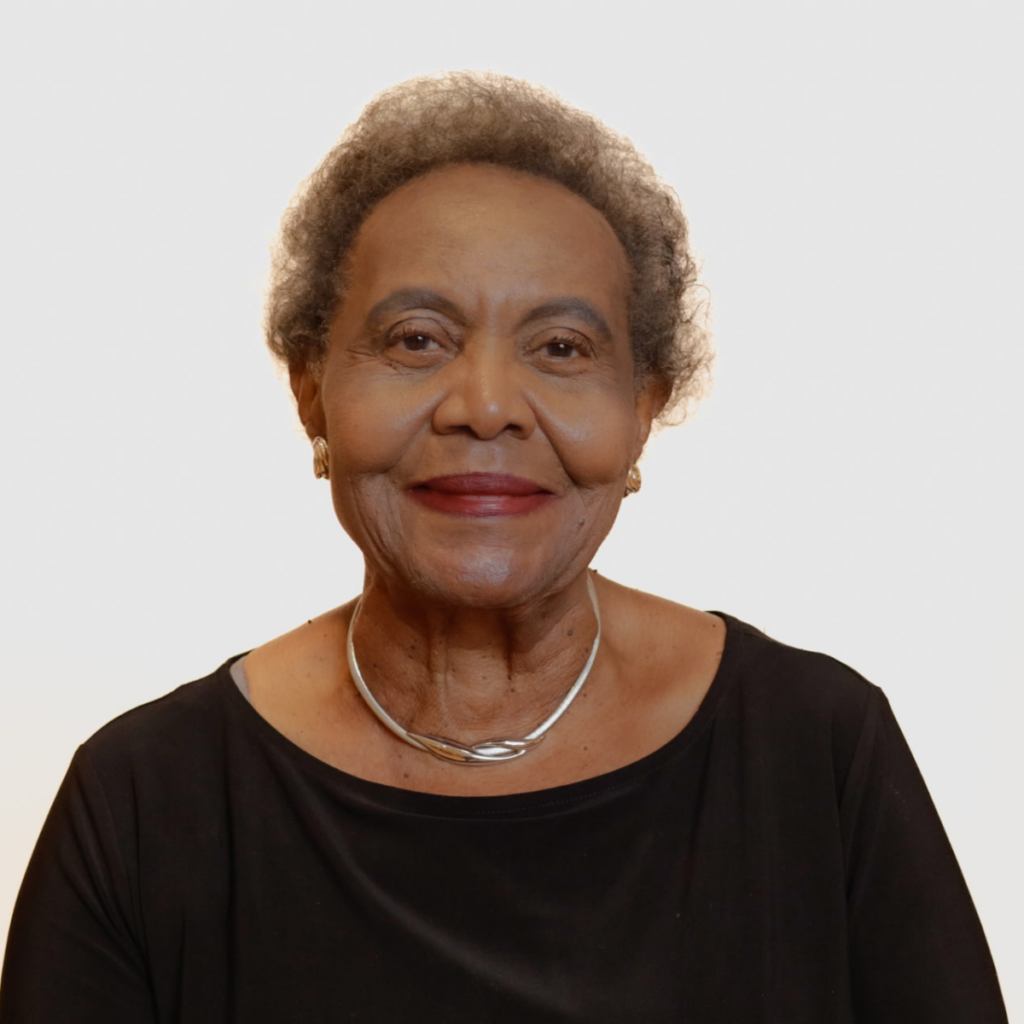
Dorothy Givens is a retired educator with 38 years of experience serving students and communities in school systems across Maryland and Massachusetts. Throughout her distinguished career, she was dedicated to fostering academic excellence and supporting the growth and development of young people.
She is a graduate of Bowie State College (now Bowie State University) and Salisbury State University (now Salisbury University), where she earned a master’s degree and completed an additional 33 graduate credit hours with an emphasis in Administration and Supervision.
As a descendant of one of the children who died at the House of Reformation, Dorothy is deeply committed to honoring the memory of those children, supporting healing for their families and descendants, and advocating for systemic reform that acknowledges this important history.
In addition to her career in education, Dorothy is an accomplished writer of poetry and short stories. Her poem, “Teacher,” was published in a book entitled At Water’s Edge, reflecting her passion for education, storytelling, and the written word.
Phyllis Hammond
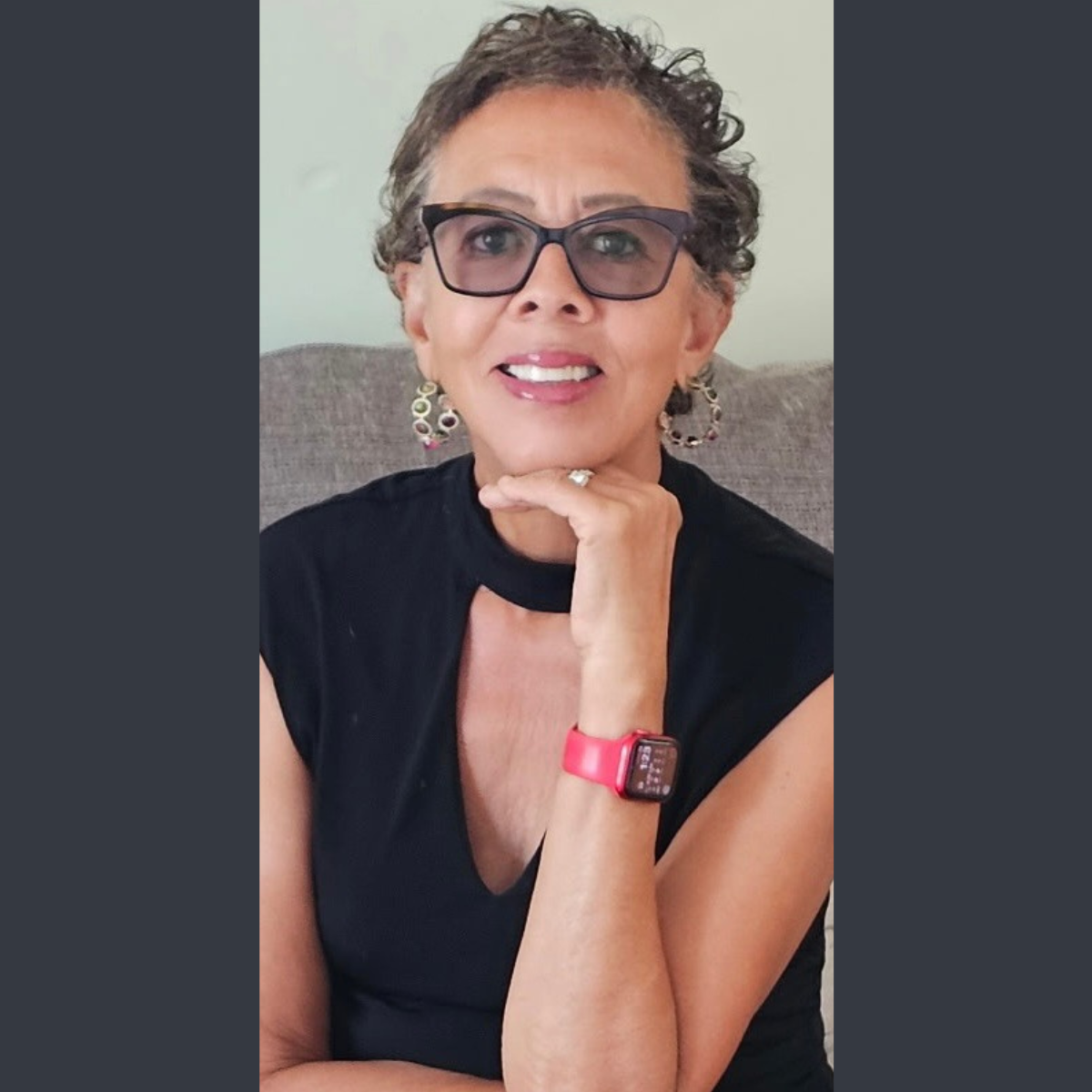
Phyllis Hammond was one of thirteen children born to Thelma (Millberry) Hammond, and Murton P. Hammond, Sr. and has resided in Carroll County for most of her life, currently living there with her husband. She is the proud mother of 3 children and six grandchildren, whom she considers her greatest achievements.
Her personal and professional life has been driven by her vocation to help youth, families, and her community. In 1988, Hammond established MPI (Minority Program Implementation) Consulting, Inc., where she served as President until 2008. MPI secured grants to serve clients including the Carroll County Public School System (CCPS) and the Carroll County Health Department (CCHD), where they focused on the recruitment and retention of qualified Black teachers and staff; implementation of programs that focused on the needs of African American students; and education and prevention resources for high-risk diseases that disproportionally affect Black and minority communities.
Hammond’s other leadership roles include serving as the President of the Carroll County Branch of NAACP (2001-2003), and the Executive Branch Director of the first Boys and Girls Club (BGC) to operate in the Westminster, MD area. After becoming a licensed and certified Real Estate Agent (serving MD and PA), she served as a member of the Carroll County Association for Realtors (2010-2014) and as a Chairperson and Co-Chair for the Equality Opportunity Committee (2011-2014).
Recently Hammond has been active with “The Forgotten Children Initiative” through the Center for Youth Justice at Georgetown University. She’s been appointed by the Maryland Attorney General to serve as a member of the Commission on the House of Reformation and Instruction for Colored Children. On the Commission, Phyllis speaks on behalf of families to ensure that the State of Maryland will justify and bring dignity to the forgotten youth.
Tyrone Walker

In his role as Director of Reentry Services at Georgetown University’s Prisons and Justice Initiative (PJI), Tyrone Walker provides comprehensive reentry support to currently and formerly incarcerated individuals, addressing critical needs before and after release. He believes that meaningful reentry begins well before a person returns home and that providing individuals with the tools, resources, and support they need during incarceration is essential to building long-term stability and success.
Tyrone earned his Bachelor of Arts in Liberal Studies from Georgetown University’s School of Continuing Studies in 2025. He is currently a Master of Policy Management candidate (Class of 2027) at Georgetown University’s McCourt School of Public Policy, where he continues to strengthen his expertise in public policy, leadership, and systems-level approaches to addressing complex social challenges.
Following nearly 25 years of incarceration, Tyrone began a transformative professional and educational journey through Georgetown University’s Pivot Program, where he completed coursework and interned with the Justice Policy Institute (JPI). After completing the Pivot Program, he joined JPI full time, drawing upon his lived experience and policy expertise to advance criminal justice reform. During his tenure at JPI, he advocated for sentencing reform and helped oversee work related to the implementation of the Incarceration Reduction Amendment Act and Second Look Amendment Act in the District of Columbia.
Today, Tyrone remains deeply committed to creating meaningful opportunities for people impacted by the justice system. Through his work in reentry services, policy, education, and advocacy, he works to ensure that individuals returning home have access to the resources, support, and opportunities necessary to successfully rebuild their lives and strengthen their communities. at the Justice Policy Institute (JPI). Upon completion of the Pivot Program, Tyrone secured a full-time position at JPI, leveraging his firsthand experiences and subject matter expertise to drive impactful policy changes. Prior to his tenure at the Prison and Justice Initiative (PJI), he dedicated two years to advocating for sentencing reform and overseeing the implementation of the Incarceration Reduction Amendment Act (IRAA)/ Second Chance Amendment Act at JPI.
Tyrone is deeply committed to empowering individuals impacted by the justice system, advocating tirelessly for their rights and opportunities for reintegration.